
Quick Quote

Exploring the unique role of open deck trucking
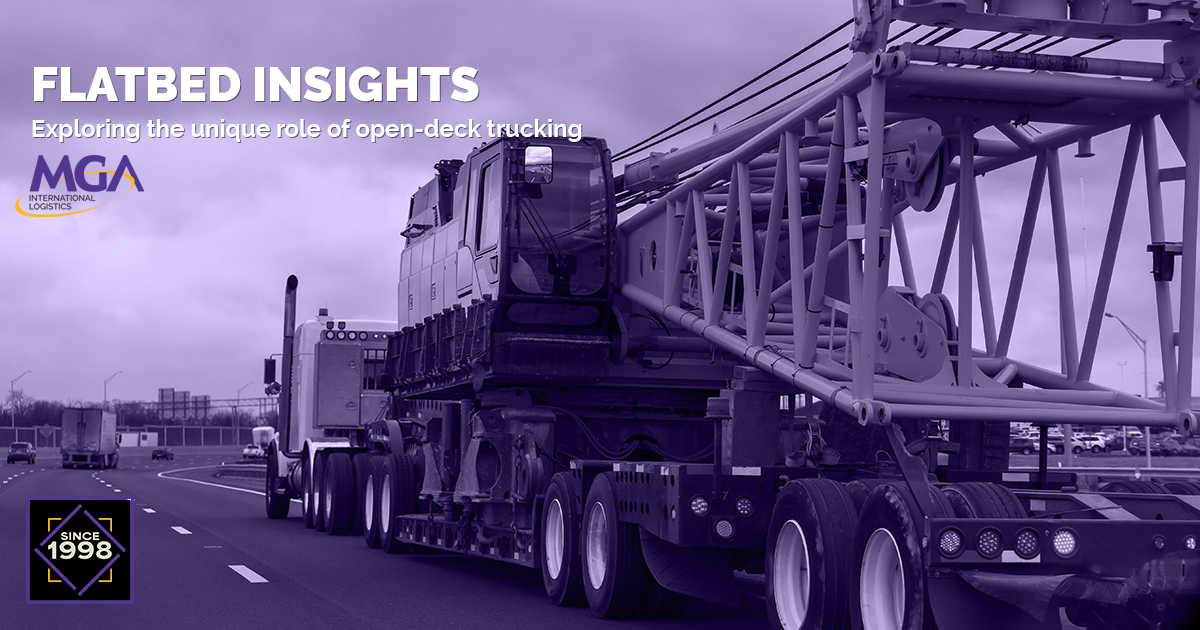
When you need to move oversized machinery, construction materials, or irregularly-shaped cargo, standard enclosed trailers simply won’t cut it. Open deck transportation offers the flexibility and capacity required for loads that don’t fit conventional shipping methods. This specialized shipping solution has become indispensable across industries ranging from construction to manufacturing.
Unlike enclosed trailers with walls and roofs, open deck trucks feature flat platforms without sides or overhead coverage. This design allows cargo to be loaded and unloaded from any angle—top, sides, or rear. The absence of dimensional constraints means equipment operators can use cranes, forklifts, or other heavy machinery to position freight efficiently.
Flatbed trucking services excel at transporting items that exceed standard trailer dimensions. Steel beams measuring 40 feet long, industrial boilers weighing several tons, or construction equipment with irregular shapes all move seamlessly on these open platforms. The flexibility extends beyond size accommodation. Shippers gain access to multiple loading points without requiring specialized dock equipment.
Manufacturing facilities, construction sites, and industrial operations depend on specialized freight solutions for their daily operations. Traditional enclosed trailers restrict cargo dimensions and complicate the loading process for heavy equipment. Open platforms eliminate these barriers entirely.
Flatbed transportation services provide critical support for time-sensitive projects. When a construction site needs steel trusses delivered by morning, open deck carriers can accommodate rapid loading after standard business hours. The streamlined process reduces project delays and keeps supply chains moving efficiently.
The versatility of open platforms serves diverse shipping needs:
Safety remains paramount when transporting exposed freight. Professional drivers utilize multiple securement methods to ensure loads remain stable throughout transit. High-tensile chains, heavy-duty straps, and specialized blocking prevent cargo movement during acceleration, braking, and cornering.
Flatbed Trucking Companies invest heavily in proper securement training and equipment. Drivers calculate load distribution, select appropriate tie-down points, and apply tension according to cargo weight and road conditions. Weather-resistant tarps protect sensitive materials from moisture and debris during transport.
Regulatory compliance governs every aspect of cargo securement. The Federal Motor Carrier Safety Administration establishes strict guidelines for minimum tie-down requirements based on cargo weight and type. Professional carriers exceed these standards to guarantee safe delivery.
Not every shipment fits neatly into a standard trailer. Dimensional freight challenges conventional shipping methods and requires creative solutions. Open deck platforms accommodate the unusual, the oversized, and the irregularly shaped.
Industrial equipment manufacturers regularly ship machinery that towers over standard trailer heights. Printing presses, injection molding machines, and automated assembly equipment move safely on open platforms. The absence of height restrictions allows tall loads to transport without disassembly.
Agricultural operations depend on open deck transportation during planting and harvest seasons. Combine harvesters, tractors, and irrigation systems ship directly from manufacturers to farms. The ability to load from multiple angles speeds up the delivery process when time-sensitive planting windows approach.
Making the right transportation choice impacts project timelines and shipping costs. Several key factors help determine whether open deck solutions serve your needs:
Loading dock availability influences transportation decisions significantly. Facilities without raised docks benefit from the flexible loading options open platforms provide. Forklifts, cranes, and overhead hoists access cargo from any angle, eliminating the need for expensive dock modifications.
Weather sensitivity matters when selecting transportation modes. While tarps provide protection from rain and debris, temperature-controlled or moisture-sensitive cargo fares better in enclosed trailers. Construction materials, metal products, and machinery typically withstand outdoor exposure during transit.
Speed and flexibility define successful logistics operations. Open platforms streamline the shipping process by reducing loading time and eliminating dimensional constraints. Projects stay on schedule when materials arrive promptly and without complications.
The consolidation of multiple pieces onto a single platform reduces transportation costs. Rather than scheduling several trips with smaller vehicles, a single open deck carrier can transport an entire project’s worth of materials. This efficiency translates directly into cost savings and reduced environmental impact.
Cross-docking operations benefit tremendously from open deck flexibility. Freight transfers quickly between transport modes when cargo doesn’t require removal from enclosed spaces. Distribution centers process shipments faster, reducing storage time and associated costs.
Selecting a reliable carrier determines whether your cargo arrives safely and on schedule. Experience matters when transporting valuable equipment and oversized loads. Carriers with proven track records demonstrate their commitment to safety and customer service through consistent performance.
Professional carriers maintain rigorous safety standards and invest in driver training. Proper securement techniques, route planning, and load distribution calculations require specialized knowledge. The best carriers demonstrate these competencies through safety ratings and customer testimonials.
MGA International delivers comprehensive transportation solutions backed by over 25 years of industry expertise. Our flatbed trucking services connect businesses across North America with reliable, efficient shipping for oversized and dimensional freight. With access to skilled drivers, modern equipment, and real-time tracking capabilities, we ensure your cargo reaches its destination safely and on time.
Also Read :
FLATBED TRUCKING The preferred method of transport for construction materials
FLATBED TRUCKING Simplifying your day-to-day operations
Transportation regulations exist to protect drivers, cargo, and other road users. Understanding these requirements helps shippers prepare documentation and ensure compliance. Oversized loads may require special permits depending on dimensions and weight.
State and provincial regulations vary significantly across North America. Width restrictions, height limitations, and weight limits differ by jurisdiction. Experienced carriers navigate these complexities by obtaining necessary permits and planning routes that accommodate cargo dimensions while complying with local laws.
Hours of service regulations impact delivery timelines for long-distance shipments. Drivers must observe mandatory rest periods to ensure alertness and safety. Planning shipments with these requirements in mind prevents unexpected delays and keeps projects on schedule.
Whether you’re shipping construction materials, heavy equipment, or oversized cargo, MGA International provides the expertise and resources you need. Our commitment to safe, cost-effective transportation makes us one of North America’s most trusted logistics providers. Contact us today for a free quote and discover how our flatbed transportation services can streamline your shipping operations.
Greg Grimes got it done. I had an unusual shipment that he took on seriously and professionally. Greg was very responsive and communicative, worked many different angles to get me a good price, and overcame several logistical challenges. I would definitely use MGA again.
We have made several trips to Toronto for the 2013 PGA Championship and over the course of those trips we have gotten to know the principles of this organization well. They are headquartered in Toronto and are great people. If you need to reach out to them, ask for Greg or Brad Grimes and let them know you heard of them through this note and they will take good care of you.
Can count on MGA for all my shipping requirements. Fantastic personnel and service.
