
Quick Quote

Why modular builders rely on specialized transport to stay efficient
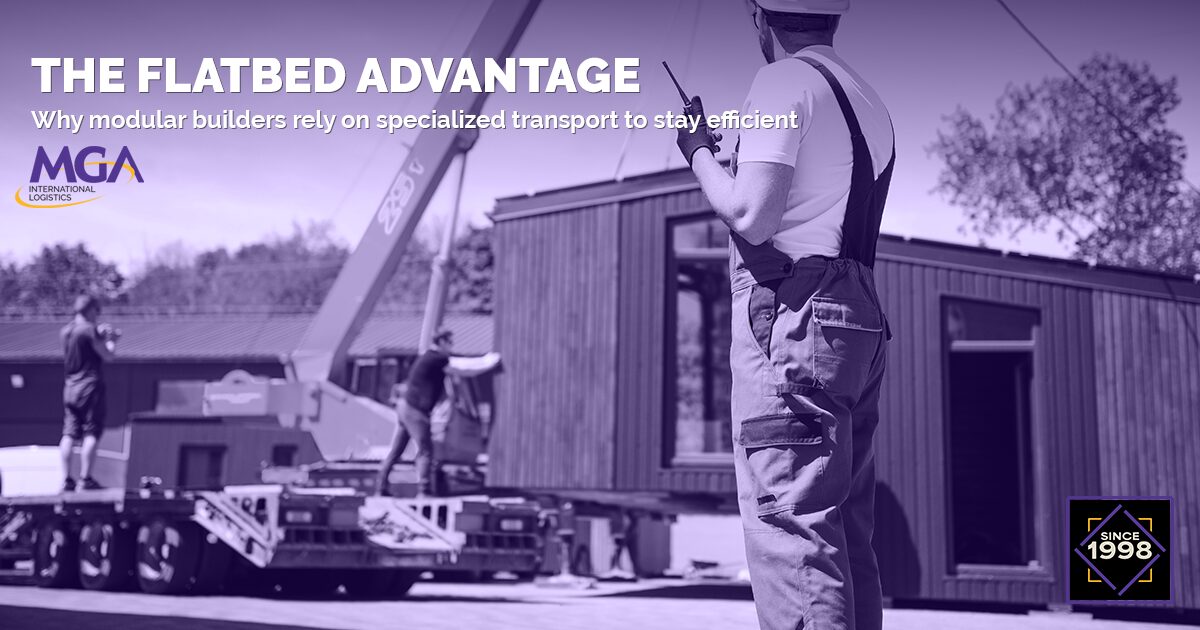
The modular construction industry is reshaping how buildings come to life across North America. Prefabricated components arrive at job sites ready for assembly, slashing construction timelines and reducing waste. However, this efficiency hinges on one critical factor: reliable transportation. Modular builders depend on flatbed trucking services to move oversized building components safely and on schedule.
Unlike traditional construction materials that can squeeze into enclosed trailers, modular building sections demand open-deck solutions. These specialized loads require carriers who understand the unique challenges of transporting large, irregularly-shaped components. The right flatbed trucking companies make the difference between projects that finish on time and costly delays that erode profit margins.
Why is flatbed trucking essential for modular construction projects?
Flatbed trucking provides open-deck platforms for oversized modular components that exceed standard trailer dimensions and require flexible loading.
How do flatbed carriers ensure the safe transport of prefabricated building components?
Professional flatbed carriers use customized securement plans with heavy-duty chains, straps, edge protectors, and proper weight distribution techniques.
Modular building components don’t conform to standard shipping dimensions. Wall panels, roof trusses, and prefabricated bathroom pods often exceed the height and width limits of enclosed trailers. Flatbed trucks provide the open platform these oversized items require, allowing manufacturers to ship complete building sections without disassembly.
The absence of walls and roofs on flatbed trailers allows loading from any angle. Cranes can lift components directly onto the trailer bed without maneuvering through tight doorways. This flexibility proves invaluable at manufacturing facilities where space constraints limit traditional loading methods. Once secured, these building sections travel safely to construction sites throughout the United States and Canada.
Flatbed transportation services also eliminate the need for loading docks. Many modular manufacturing plants operate in industrial areas where dock access isn’t available. The open design of flatbed trailers means forklifts and cranes can load materials from ground level, streamlining the entire shipping process. This accessibility reduces turnaround times at both origin and destination points.
The versatility of flatbed trailers extends beyond simple loading convenience. These carriers accommodate irregular shapes that would be impossible to fit inside enclosed trailers. Curved architectural elements, oversized HVAC systems, and custom-fabricated steel frames all find secure transport on flatbed decks. This adaptability makes flatbed trucking services indispensable for innovative modular designs.
Modular building components often weigh several thousand pounds per section. Proper weight distribution across the trailer deck prevents axle overload and ensures road safety. Experienced carriers understand how to position heavy loads to maintain balance throughout transit, calculating weight distribution to comply with federal and state regulations.
Securement becomes equally critical when transporting high-value prefabricated components. Professional flatbed trucking companies use heavy-duty chains, straps, and edge protectors to prevent shifting during transport. Each load receives a customized securement plan based on its dimensions, weight, and fragility. This attention to detail protects both the cargo and other motorists sharing the road.
Weather protection adds another layer of complexity to flatbed operations. While flatbed trailers remain open by design, tarping systems shield sensitive components from rain, snow, and road debris. High-quality tarps secured with multiple tie-down points create a protective barrier without compromising load stability. This combination of securement and weather protection ensures modular components arrive in pristine condition.
Drivers specializing in flatbed freight receive extensive training in load securement techniques. They understand how different materials respond to road vibrations and temperature changes during transit. This expertise proves essential when transporting finished wall sections with installed windows, electrical components, or delicate interior finishes. The human element in flatbed transportation cannot be automated or replaced by generic shipping solutions.
Not every highway accommodates oversized freight safely or legally. Bridge clearances, weight restrictions, and width limitations force carriers to map specialized routes. Advanced route planning identifies potential obstacles before trucks leave the depot, preventing costly detours and delays that disrupt construction schedules.
Permit requirements vary significantly by state and province across North America. Oversized loads often need special authorization to travel on public roads, with some jurisdictions requiring advance notice of several days. Knowledgeable carriers handle the permit application process, coordinating with multiple jurisdictions to secure the necessary approvals. This behind-the-scenes work keeps projects moving forward without regulatory hiccups.
Time-sensitive deliveries require real-time tracking and communication capabilities. Modern flatbed transportation services provide GPS monitoring so builders can track their shipments throughout transit. This visibility allows project managers to coordinate on-site crews and equipment, ensuring everything aligns for efficient unloading and installation. When a delivery window matters, real-time updates become invaluable.
Seasonal considerations also influence route planning for modular construction deliveries. Winter weather in northern regions can close mountain passes or create hazardous driving conditions. Experienced carriers adjust their routes and schedules to account for seasonal challenges, maintaining delivery reliability year-round. This proactive approach protects both the cargo and the project timeline.
Modular construction’s efficiency promise extends beyond the job site itself. Flatbed trucking services deliver multiple cost advantages that protect project budgets throughout the supply chain. Fewer trips mean lower transportation expenses, as flatbed trailers accommodate larger loads than enclosed alternatives. This capacity advantage translates directly into reduced per-unit shipping costs.
Key cost-saving factors include:
These efficiencies compound across multiple deliveries throughout a project lifecycle. A typical modular building project requires dozens of component shipments from factory to site. Even modest savings per load add up to significant budget relief over the complete construction timeline. Smart builders factor transportation costs into their initial bids, recognizing that reliable carriers contribute directly to profitability.
Insurance considerations also favour flatbed transport for high-value modular components. Specialized carriers maintain comprehensive cargo coverage that protects against damage during transit. This protection gives builders peace of mind, knowing their investment in prefabricated components remains secure throughout the supply chain.
The North American modular construction industry operates without regard for international borders. Canadian manufacturers ship to U.S. builders, while American fabricators serve Canadian markets. This cross-border commerce requires carriers familiar with customs regulations and international shipping protocols.
Experienced flatbed trucking companies navigate the complexities of cross-border freight with ease. They handle customs documentation, coordinate with border agents, and ensure compliance with both countries’ transportation regulations. This expertise prevents delays at border crossings, where inexperienced carriers often encounter problems.
Different regions impose varying weight limits and dimensional restrictions on highway freight. A load that’s legal in Ontario might exceed limits in Michigan. Professional carriers understand these nuances and adjust their planning accordingly. This knowledge protects builders from fines and ensures components reach their destinations without complications.
As a comprehensive transportation and logistics provider, MGA International offers cross-border door-to-door delivery through LTL, FTL, and flatbed services alongside a full suite of freight management solutions. Our access to highly-skilled drivers and meticulously-maintained vehicles has secured our position as one of the leading trucking companies on the continent.
As one of the fastest-growing and most reliable entities in the transportation and logistics sector, MGA International stands out as a premier flatbed transportation carrier in Canada. Renowned as a trustworthy freight shipping company, we deliver safe, cost-effective, and uninterrupted transportation for all cargo types.
Ready to streamline your modular building projects? Contact MGA International today for a customized flatbed shipping solution that keeps your construction schedule on track.
Greg Grimes got it done. I had an unusual shipment that he took on seriously and professionally. Greg was very responsive and communicative, worked many different angles to get me a good price, and overcame several logistical challenges. I would definitely use MGA again.
We have made several trips to Toronto for the 2013 PGA Championship and over the course of those trips we have gotten to know the principles of this organization well. They are headquartered in Toronto and are great people. If you need to reach out to them, ask for Greg or Brad Grimes and let them know you heard of them through this note and they will take good care of you.
Can count on MGA for all my shipping requirements. Fantastic personnel and service.
