
Quick Quote

How do shipment size, routing, and carriers impact delivery timelines?
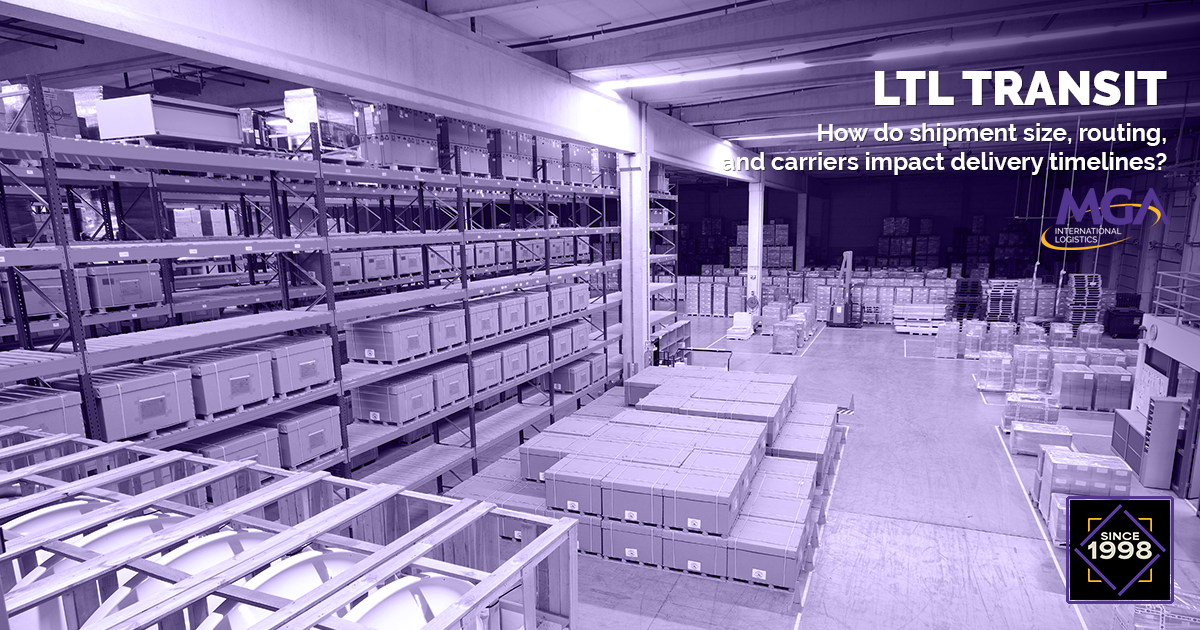
When businesses rely on less-than-truckload freight, delivery speed becomes a critical factor. Unlike full truckload shipments that move directly from origin to destination, LTL freight follows a more complex path. Multiple variables influence how quickly your cargo arrives, from the size of your shipment to the carrier’s network infrastructure.
For shippers navigating North American logistics, knowing what affects transit times helps set realistic expectations. It also enables better planning for inventory management and customer commitments. Let’s explore the key factors that determine LTL delivery timelines.
Shipment dimensions and weight play a surprisingly significant role in delivery speed. Smaller shipments often move faster through terminals because they require less handling and can be consolidated more easily. A single-pallet shipment weighing several hundred pounds typically processes quicker than a multi-pallet load at several thousand pounds.
Larger shipments need more time for loading and unloading at each terminal. They may also require specialized equipment like forklifts or pallet jacks, which adds to processing time. LTL shipping services calculate freight class based on density, and higher-class items often receive priority handling at busy terminals.
The physical space your freight occupies matters too. Bulky items that take up significant trailer space might wait longer for compatible loads. Conversely, compact shipments fit more easily into available space, allowing faster consolidation and departure.
The path your shipment travels directly impacts when it arrives. Direct routes with minimal stops naturally deliver faster than those requiring multiple terminal transfers. Most LTL shipping companies operate hub-and-spoke networks where freight moves through regional consolidation points.
Each terminal stop adds time to your delivery. Freight must be unloaded, sorted, and reloaded onto the next truck heading toward the destination. This process can take several hours at each location. Shipments crossing multiple regions or requiring border crossings experience longer transit times due to additional checkpoints.
Distance remains the most obvious factor. A shipment traveling shorter distances within the same region delivers faster than one crossing vast distances through multiple states or provinces. Weather conditions, road construction, and traffic congestion along the route create additional variables that LTL trucking services must navigate.
Geographic accessibility affects timing too. Major metropolitan areas with established terminals see faster service than remote locations. Rural destinations often require additional coordination and may only receive deliveries on specific days of the week.
Not all carriers operate with the same efficiency or network density. Established LTL transportation companies with extensive terminal networks generally provide faster service than smaller regional carriers. Their infrastructure allows for more frequent departures and better load consolidation.
Carrier capacity at the time of pickup matters significantly. During peak shipping seasons or in tight freight markets, trailers fill quickly and depart on schedule. During slower periods, carriers may wait for fuller loads before dispatching, which extends transit time.
Key carrier-related factors that affect delivery speed:
The carrier’s service level also determines speed. Standard LTL service offers regular delivery schedules for regional and cross-country moves, while expedited options cost more but guarantee faster timelines with priority handling.
Equipment availability plays a crucial role too. Carriers with diverse trailer types and ample equipment inventory handle shipments more efficiently. Those facing equipment shortages may delay pickups or require longer consolidation periods.
Shippers have several options to influence transit speed. Selecting carriers with strong networks in your shipping lanes improves consistency. Choosing expedited service levels when time matters ensures priority handling throughout the journey.
Proper packaging and clear documentation prevent delays at terminals. Incorrectly labeled freight or inadequate packaging leads to additional inspection time and potential rework. Accurate freight classification helps avoid re-weighing and re-measuring that slows processing.
Strategic planning approaches for faster delivery:
Flexibility on delivery windows also helps. Allowing a wider delivery timeframe gives carriers more routing options and can reduce costs while maintaining reasonable speed.
Several factors can extend transit times beyond initial estimates. Accessorial services like liftgate delivery or inside delivery add time to each stop. Residential deliveries typically take longer than commercial locations with loading docks.
Freight that requires special handling, such as hazardous materials or high-value goods, undergoes additional processing. Temperature-sensitive cargo may wait for appropriate equipment availability. Oversized or overweight freight needs specialized trailers and sometimes permits.
Carrier rerouting due to capacity constraints or operational challenges can push back delivery dates. Mechanical breakdowns, driver shortages, or unexpected high volume periods affect all shipments moving through affected terminals.
Border crossings introduce variables beyond carrier control. Customs inspections, documentation issues, or regulatory changes can delay international shipments by hours or even days.
Also Read :
SHIPPING INTERNATIONALLY? Tips for preparing your cargo
How Is LTL Shipping Beneficial for E-commerce Businesses?
MGA International recognizes that delivery speed directly impacts your business operations. As one of the leading LTL trucking companies in North America, we leverage our extensive carrier network and decades of logistics expertise to minimize transit times without compromising reliability.
Our strategic partnerships with top LTL shipping companies across Canada and the United States give your freight multiple routing options. We analyze each shipment’s unique requirements and match it with carriers offering the best combination of speed, service, and cost-effectiveness.
Real-time tracking technology keeps you informed throughout the journey. Our logistics team proactively manages potential delays and provides realistic delivery estimates based on current network conditions. We handle all documentation and communication with carriers, allowing you to focus on your core business.
Whether you need regular LTL service or expedited delivery, MGA International provides transparent pricing and reliable timelines. Our commitment to excellence has made us a trusted partner for businesses requiring consistent, on-time freight delivery throughout North America.
LTL transit times depend on multiple interconnected factors, from shipment characteristics to carrier capabilities. By recognizing these variables, you can make informed shipping decisions that balance cost with delivery speed requirements.
Success in LTL shipping comes from partnering with experienced logistics providers who understand network dynamics and carrier performance. The right partner helps you navigate complexity while ensuring your freight arrives when promised.
Ready to optimize your LTL shipping timelines? Contact MGA International today for a customized freight solution that meets your delivery requirements and budget. Our logistics experts are standing by to help streamline your supply chain with reliable, efficient LTL transportation services.
Greg Grimes got it done. I had an unusual shipment that he took on seriously and professionally. Greg was very responsive and communicative, worked many different angles to get me a good price, and overcame several logistical challenges. I would definitely use MGA again.
We have made several trips to Toronto for the 2013 PGA Championship and over the course of those trips we have gotten to know the principles of this organization well. They are headquartered in Toronto and are great people. If you need to reach out to them, ask for Greg or Brad Grimes and let them know you heard of them through this note and they will take good care of you.
Can count on MGA for all my shipping requirements. Fantastic personnel and service.
